
The Importance of the Consultation Process as a Aesthetic Nurse Prescriber.
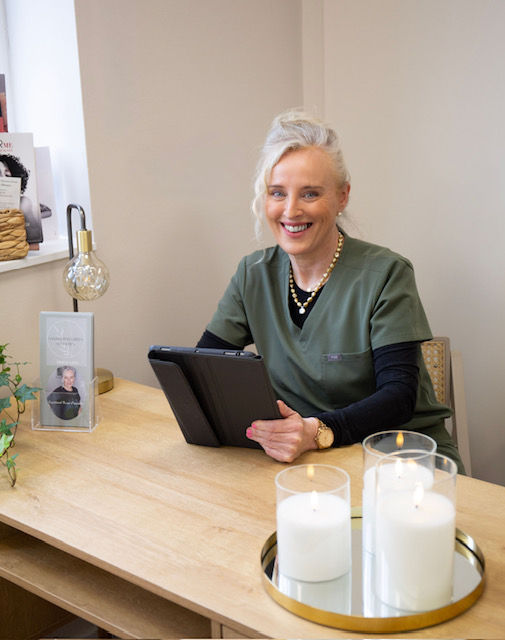
The consultation process is the foundation of safe and effective aesthetic treatments. As an aesthetic nurse prescriber, it is not just a routine step but a critical interaction that shapes the entire patient experience and outcome. This process ensures that treatments are tailored to individual needs, risks are minimized, and trust is built between the the patient and myself. Understanding why the consultation matters can help clients appreciate its value and approach it with the seriousness it deserves.
Why the Consultation Process Matters
Aesthetic treatments often involve altering a person’s appearance, which can have lasting physical and emotional effects. The consultation allows the nurse prescriber to gather essential information about the patient’s medical history, lifestyle, and expectations. This information guides the choice of treatment and dosage, helping to avoid complications.
For example, a patient with a history of allergies or autoimmune conditions may require a different approach than someone without these concerns. Without a thorough consultation, the risk of adverse reactions increases. The process also helps identify contraindications that might make certain treatments unsafe.
Beyond safety, the consultation builds a relationship based on trust. Patients feel heard and understood when nurses take time to explain procedures, possible side effects, and realistic outcomes. This transparency reduces anxiety and sets clear expectations, which improves patient satisfaction.
Key Elements of an Effective Consultation
An effective consultation involves several important steps:
Detailed Medical History
Collecting information about past illnesses, medications, allergies, and previous aesthetic treatments.
Assessment of Skin and Facial Structure
Examining the patient’s skin type, elasticity, and facial anatomy to determine the best treatment plan.
Understanding Patient Goals
Discussing what the patient hopes to achieve, whether it’s reducing wrinkles, enhancing volume, or improving skin texture.
Explaining Treatment Options and Risks
Providing clear information about available procedures, how they work, potential side effects, and recovery time.
Setting Realistic Expectations
Helping patients understand what results are achievable and the timeline for seeing changes.
Consent and Documentation
Ensuring patients give informed consent and documenting all details for legal and clinical purposes.
Each step requires good communication skills and empathy. The nurse prescriber must listen actively and respond to concerns honestly.
How the Consultation Protects Both Patient and Practitioner
The consultation process acts as a safeguard for everyone involved. For patients, it reduces the chance of receiving inappropriate treatments or experiencing complications. For nurse prescribers, it provides legal protection by documenting that the patient was fully informed and agreed to the procedure.
In cases where a patient’s expectations are unrealistic or their health status poses risks, the consultation allows the nurse to advise against treatment or suggest alternatives. This ethical responsibility helps maintain professional standards and patient safety.
Examples of Consultation Impact
Consider a patient seeking dermal fillers to restore facial volume. During the consultation, the nurse discovers the patient has a history of cold sores. This knowledge prompts the nurse to recommend antiviral medication before treatment to prevent an outbreak. Without this step, the patient might have experienced painful complications.
In another case, a patient wants to reduce deep wrinkles but expects immediate, dramatic results. The nurse explains that multiple sessions may be needed and that results develop gradually. This discussion helps the patient set realistic goals and reduces disappointment.
Building Confidence Through Consultation
Patients often feel vulnerable when considering aesthetic treatments. The consultation process helps build confidence by providing a safe space to ask questions and express concerns. When nurses take time to educate patients, it empowers them to make informed decisions.
This confidence can improve treatment outcomes because patients are more likely to follow pre- and post-treatment care instructions. It also encourages open communication if any issues arise after the procedure.
Conclusion
The consultation process is essential
to deliver safe, personalized, and effective care. It protects patients by identifying risks and setting clear expectations. It supports nurses by ensuring ethical practice and legal protection. Above all, it builds trust and confidence, which are key to successful aesthetic treatments.
For anyone considering aesthetic procedures, prioritizing a thorough consultation is the best first step. For practitioners, investing time and care in this process strengthens their practice and enhances patient satisfaction. The consultation is not just a formality; it is the heart of quality aesthetic care.
Look forward to meeting you at your Consultation.


Comments